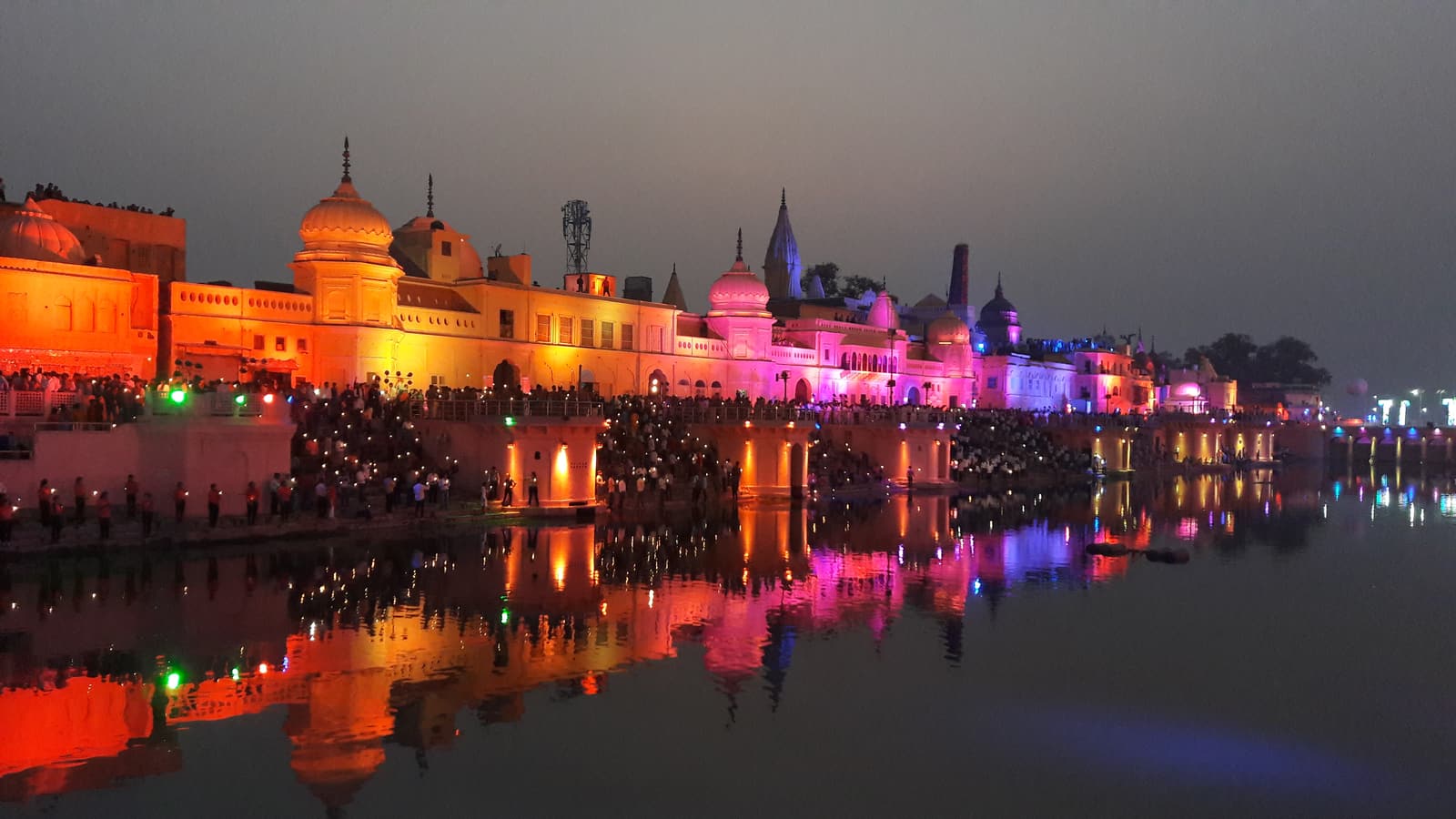
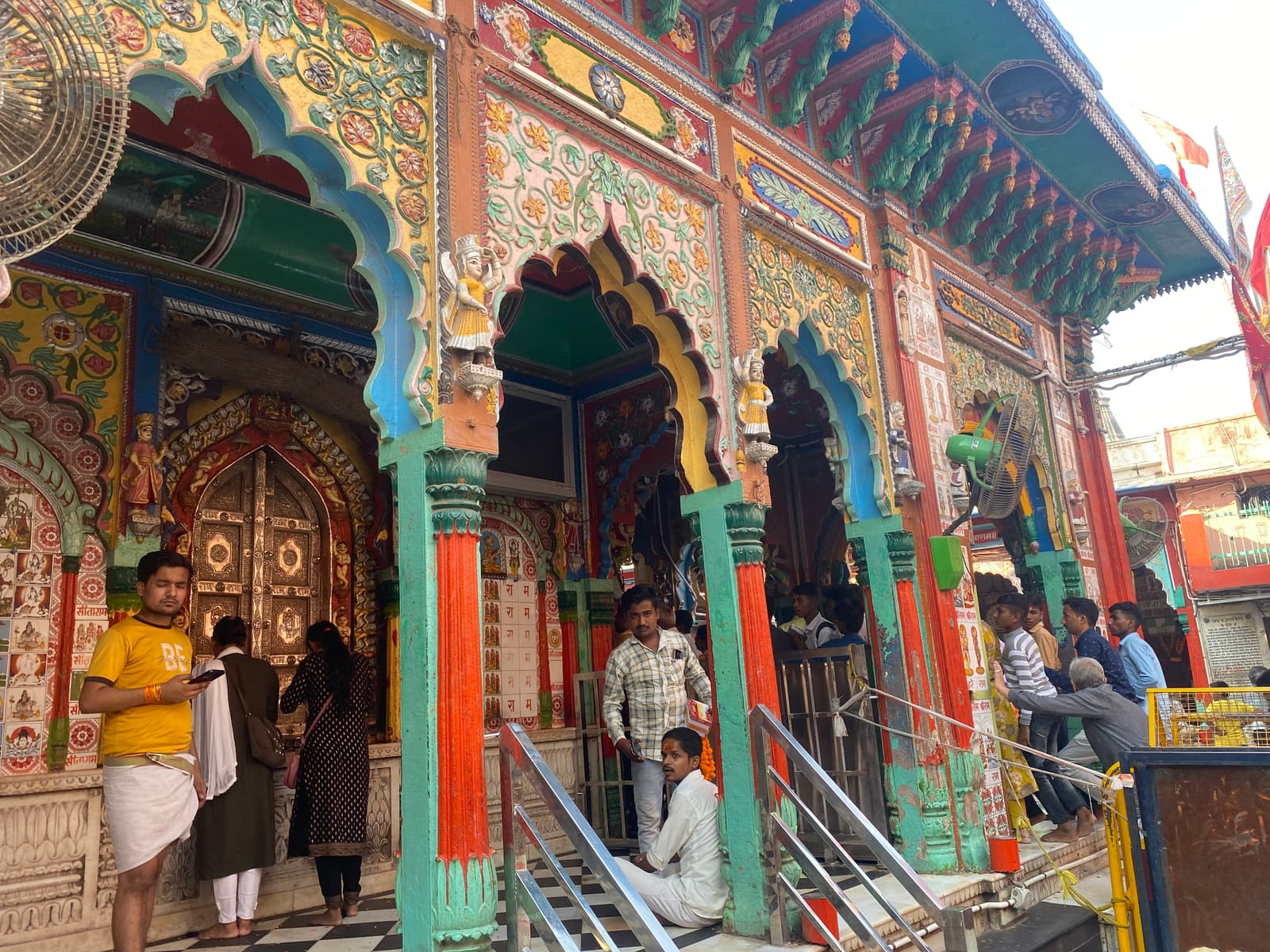
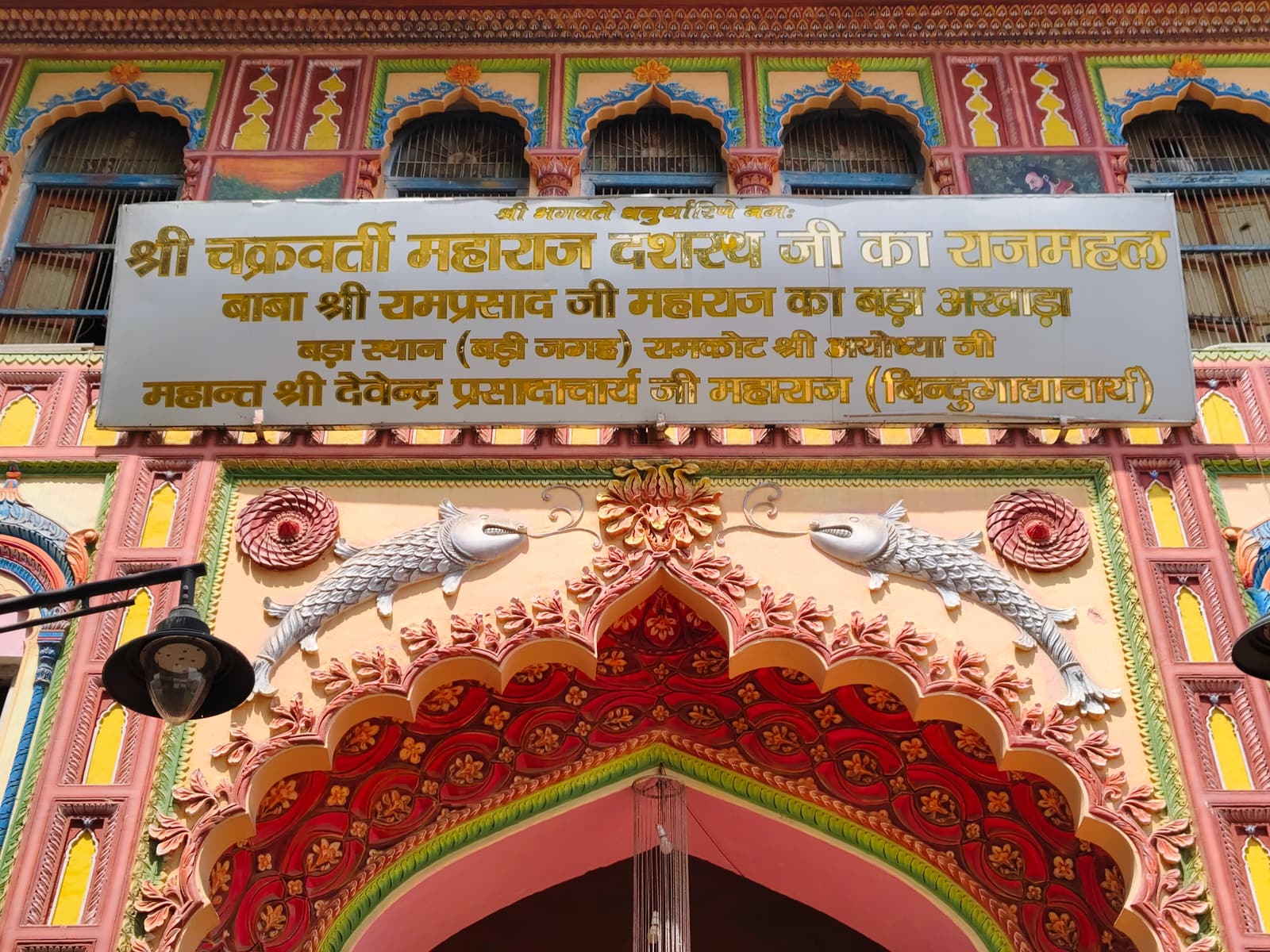
The Shri Ram Janmabhoomi Temple, known everywhere simply as the Ram Mandir, stands on the low rise of Ramkot at the place Hindu tradition reveres as the birthplace of Lord Ram. The idol of Ram Lalla — Ram as a five-year-old child — was consecrated in the sanctum on 22 January 2024, and the temple has drawn very large numbers of pilgrims every day since.
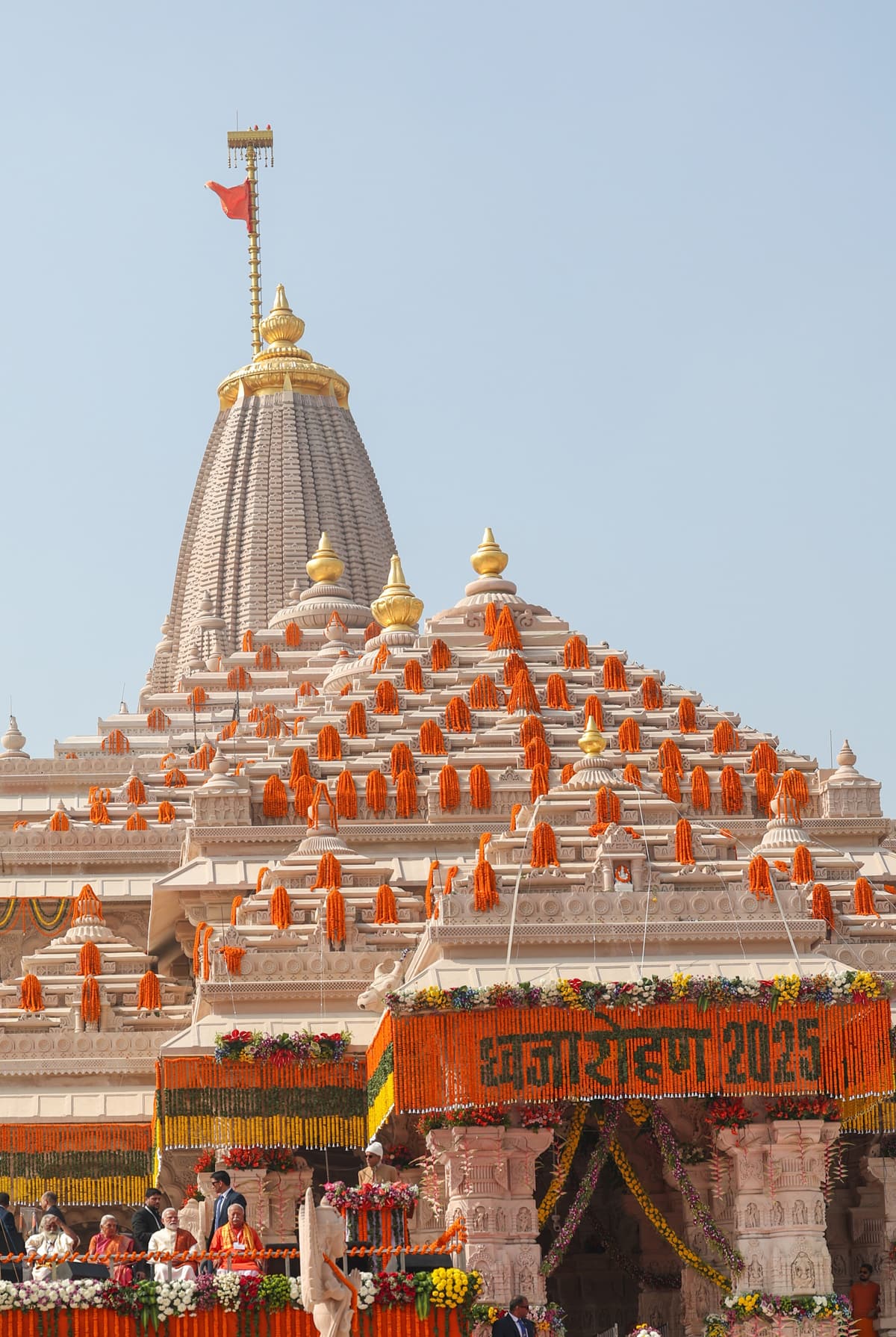
The temple is built in the Nagara style in pink sandstone from Rajasthan, with a white marble sanctum, and according to the temple trust it uses no iron or steel. It is managed by the Shri Ram Janmbhoomi Teerth Kshetra trust. Entry is free. This page describes the temple; for timings, passes and rules see our darshan guide.
Top things to do at Ram Mandir
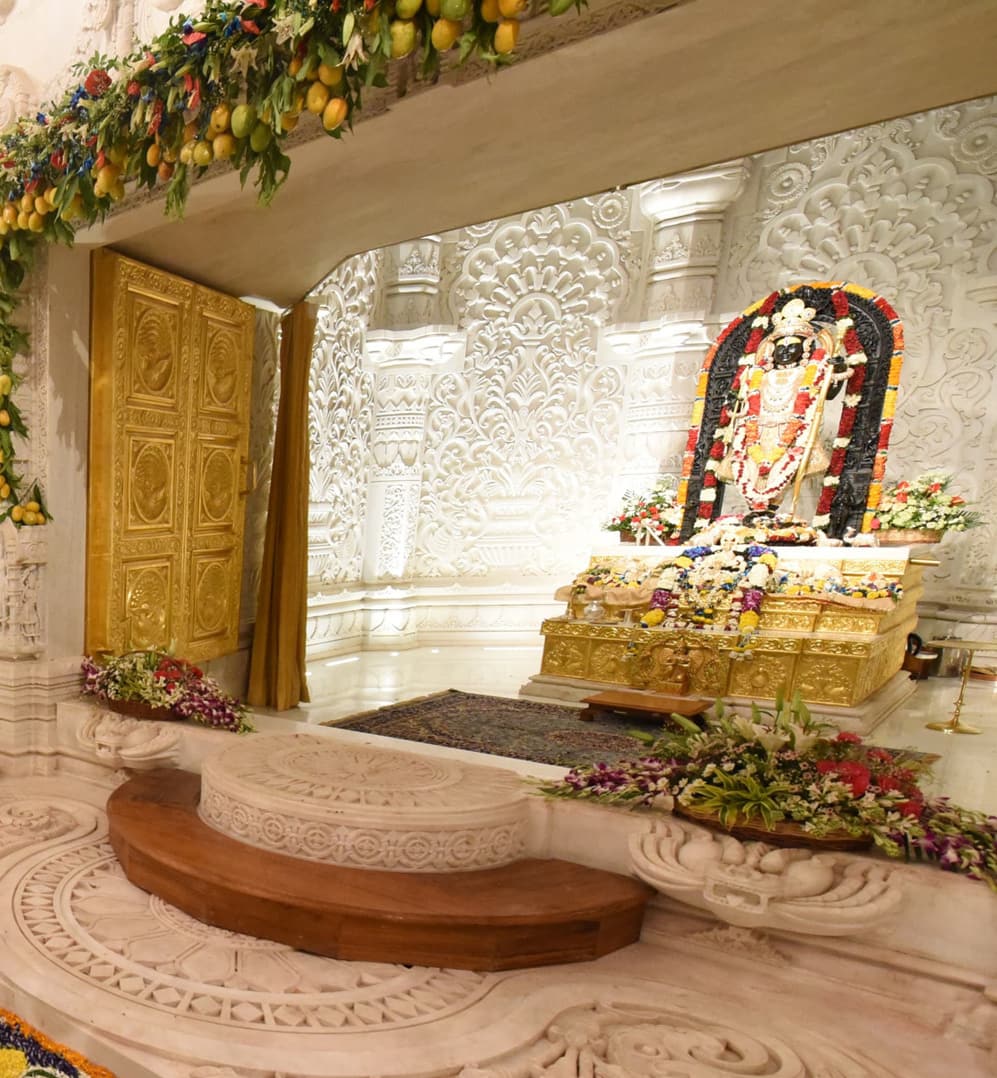
Have darshan of Ram Lalla
The 51-inch idol, carved from dark stone by the Mysuru sculptor Arun Yogiraj, stands in the garbhagriha on the ground floor. The queue moves steadily through the halls in front of it, so you will have a brief but clear view. Many pilgrims join the line a second time.
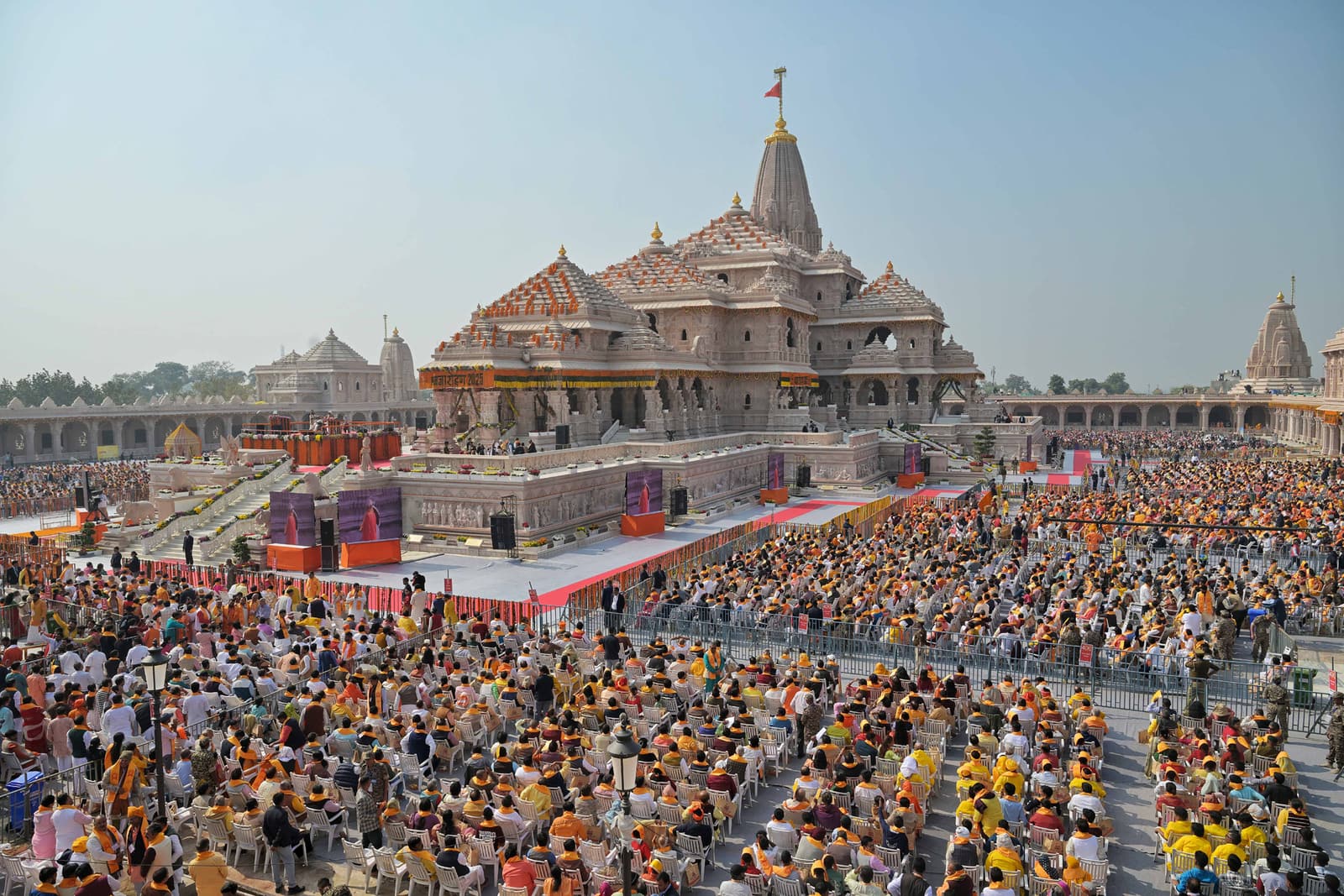
Look at the architecture
The trust gives the temple’s size as about 380 feet long, 250 feet wide and 161 feet high, on three storeys with 392 pillars and 44 doors. Five mandapas — halls — lead towards the sanctum, and the pillars and walls are covered with carved deities and floral patterns. The design is by the Sompura family, hereditary temple architects from Gujarat.
See the upper floor and the surrounding shrines
The first floor is designed to house the Ram Darbar — Ram with Sita, his brothers and Hanuman — and the enclosure wall (parkota) includes shrines to other deities. These parts were completed and opened in phases after the consecration, so access may vary; follow the route open on the day of your visit.
Attend an aarti
The Mangala, Shringar and Shayan aartis can be attended with a free pass from the trust, issued in small numbers. If you cannot get one, the temple is still at its most atmospheric early in the morning.
How to get to Ram Mandir
- On foot: the entry is from Ram Path along the Ram Janmabhoomi Path. From Hanuman Garhi it is roughly a ten-minute walk.
- From Ayodhya Dham Junction: about 1–1.5 km; take an e-rickshaw to the Ram Path side and walk the rest.
- From the airport or Ayodhya Cantt: about 8–10 km by taxi or e-bus to the drop-off point; private vehicles cannot go further.
- From Lucknow or Varanasi: see getting to Ayodhya, or compare guided day trips.
Insider tips
- Leave phones, smart watches, cameras and bags at your hotel or in the free lockers — none are allowed inside under current rules.
- Carry a government photo ID; it is required for any pass and useful at checkpoints.
- Weekday mornings are the calmest. Avoid Ram Navami, Deepotsav and the days around 22 January unless you are coming for them.
- Ignore anyone offering paid or “VIP” darshan. Passes come only from the trust and are free.
- The stone is hot in summer and cold in winter; socks help. Check the official trust website for current timings.
Tours that include Ram Mandir
These guided trips cover Ram Mandir or combine easily with a visit:
 Private day trip from US$40
 Lucknow: Private Ayodhya & Ram Mandir Temple Tour
A private guided day in Ayodhya from Lucknow by car. You visit the Ram Mandir, Hanuman Garhi, Dashrath Mahal and other ancient sites before driving back in the evening.
- Ram Mandir darshan
- Hanuman Garhi
- Dashrath Mahal and other old shrines
 Guided day tour from US$31
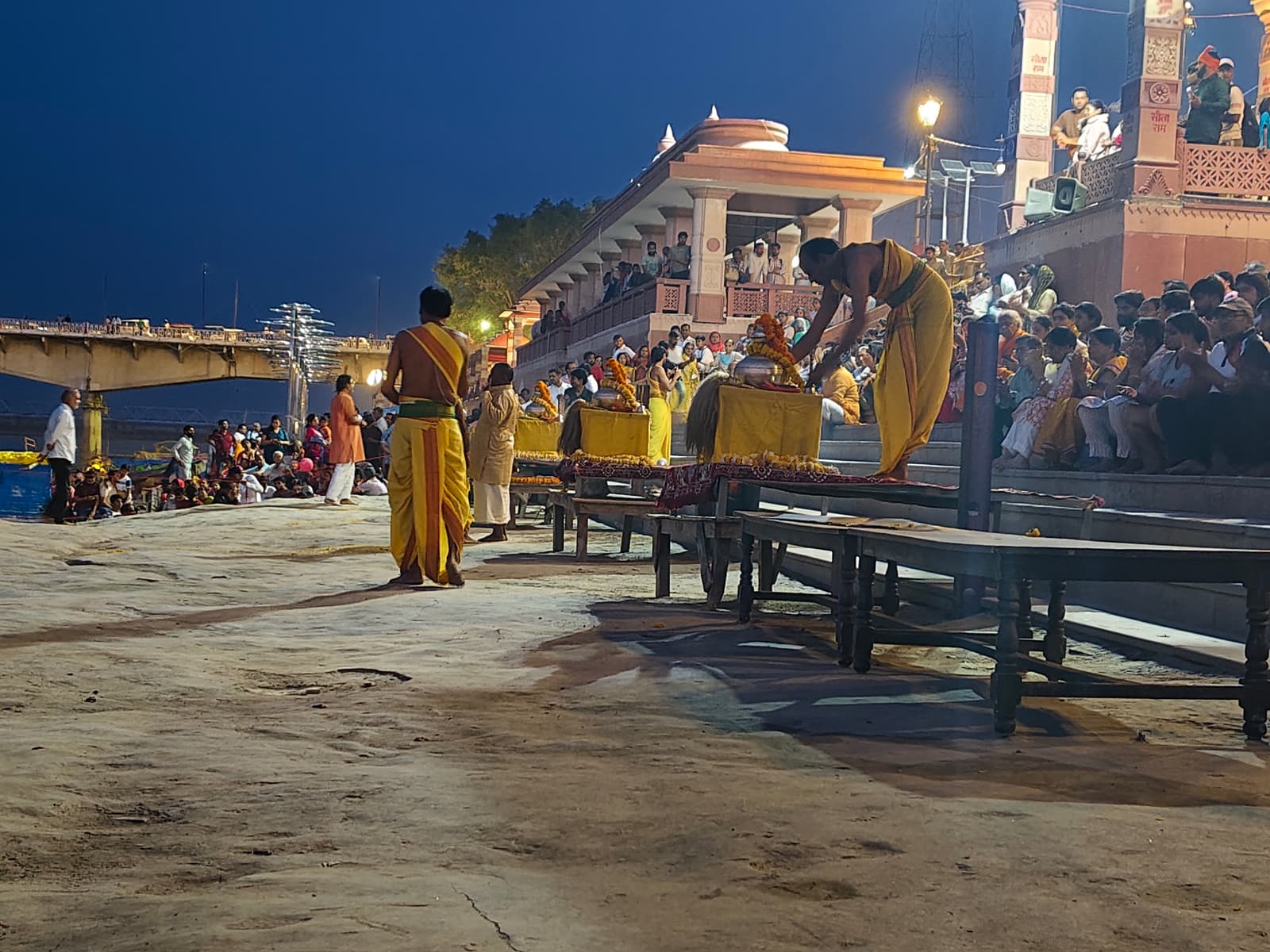
 Ayodhya: Hindu Pilgrimage Sites & Sacred Aarti Ceremony
A full guided day in Ayodhya: the birthplace of Lord Ram and the main temples, a local vegetarian lunch, and the evening aarti ceremony at the Saryu ghat.
- Birthplace of Lord Ram
- Local vegetarian lunch
- Evening aarti at the Saryu ghat
 Private day trip from US$31
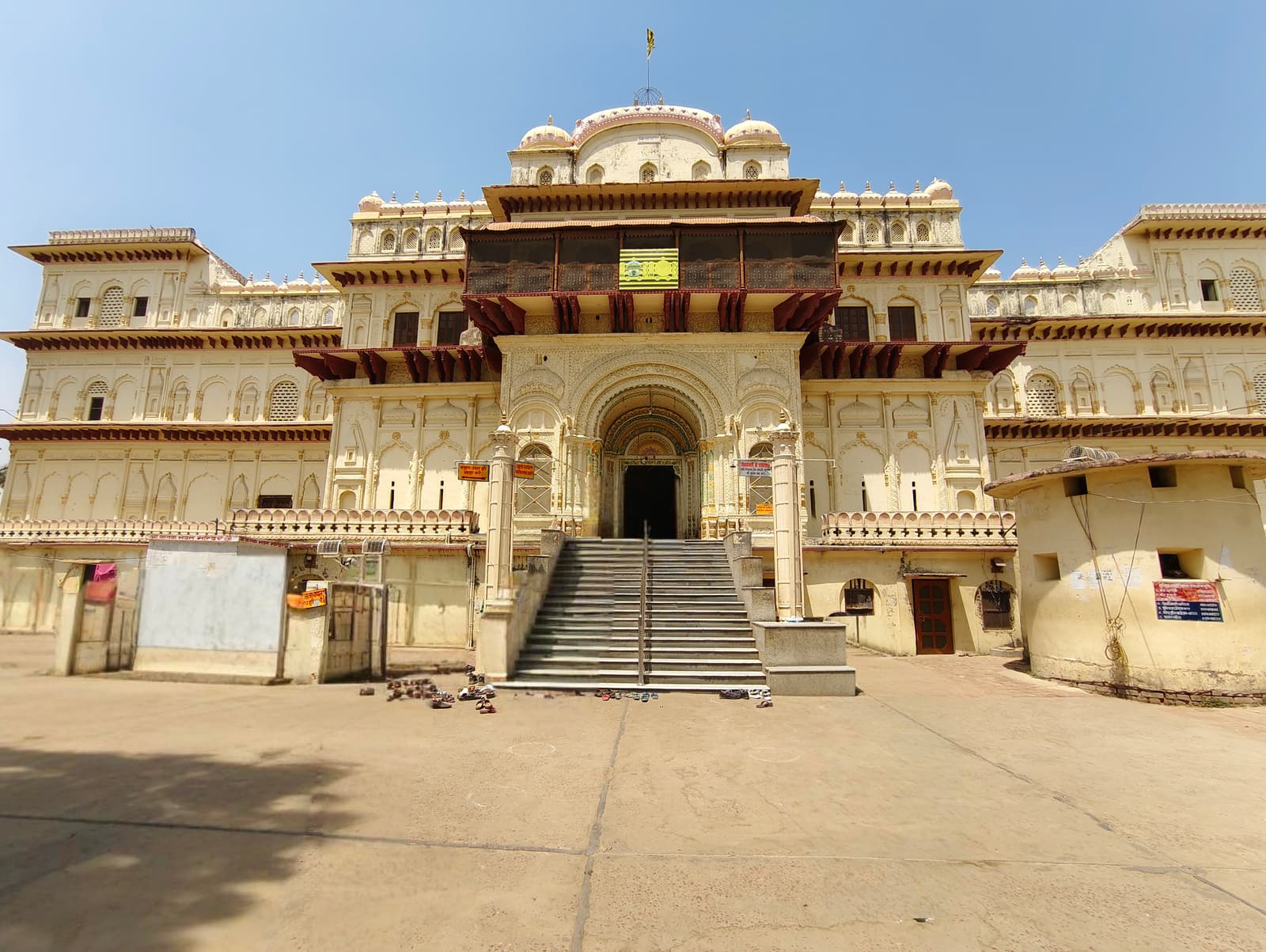
 Same Day Varanasi to Ayodhya Tour with Tour Guide
A private full-day tour from Varanasi to Ayodhya with a guide, covering the city’s temples, sacred ghats and Ramayana heritage before returning the same day.
- Private car from Varanasi
- Temples and sacred ghats
- Tour guide included