Old Ayodhya is compact. The Ram Mandir, Hanuman Garhi, Kanak Bhawan and Dashrath Mahal all stand on or around the low rise of Ramkot, within walking distance of one another; the Saryu ghats are a short e-rickshaw ride to the north. Only Guptar Ghat needs a longer ride. Each place below has its own guide with what to do, how to get there and practical tips.
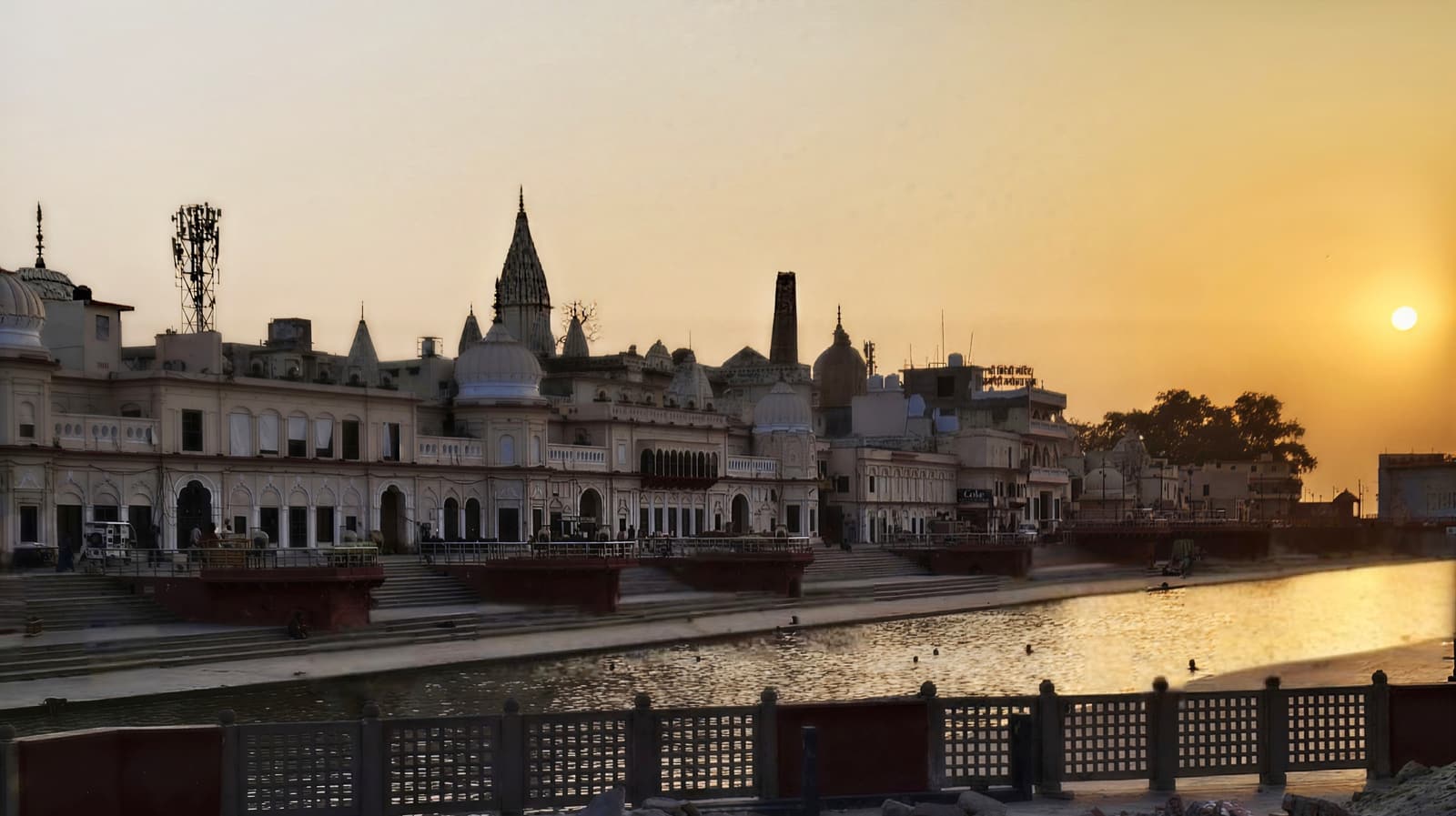
Places to Visit in Ayodhya
Ten places that make up a complete visit to the city of Lord Ram.
Ram Mandir & Ramkot
 Ram Mandir & Ramkot
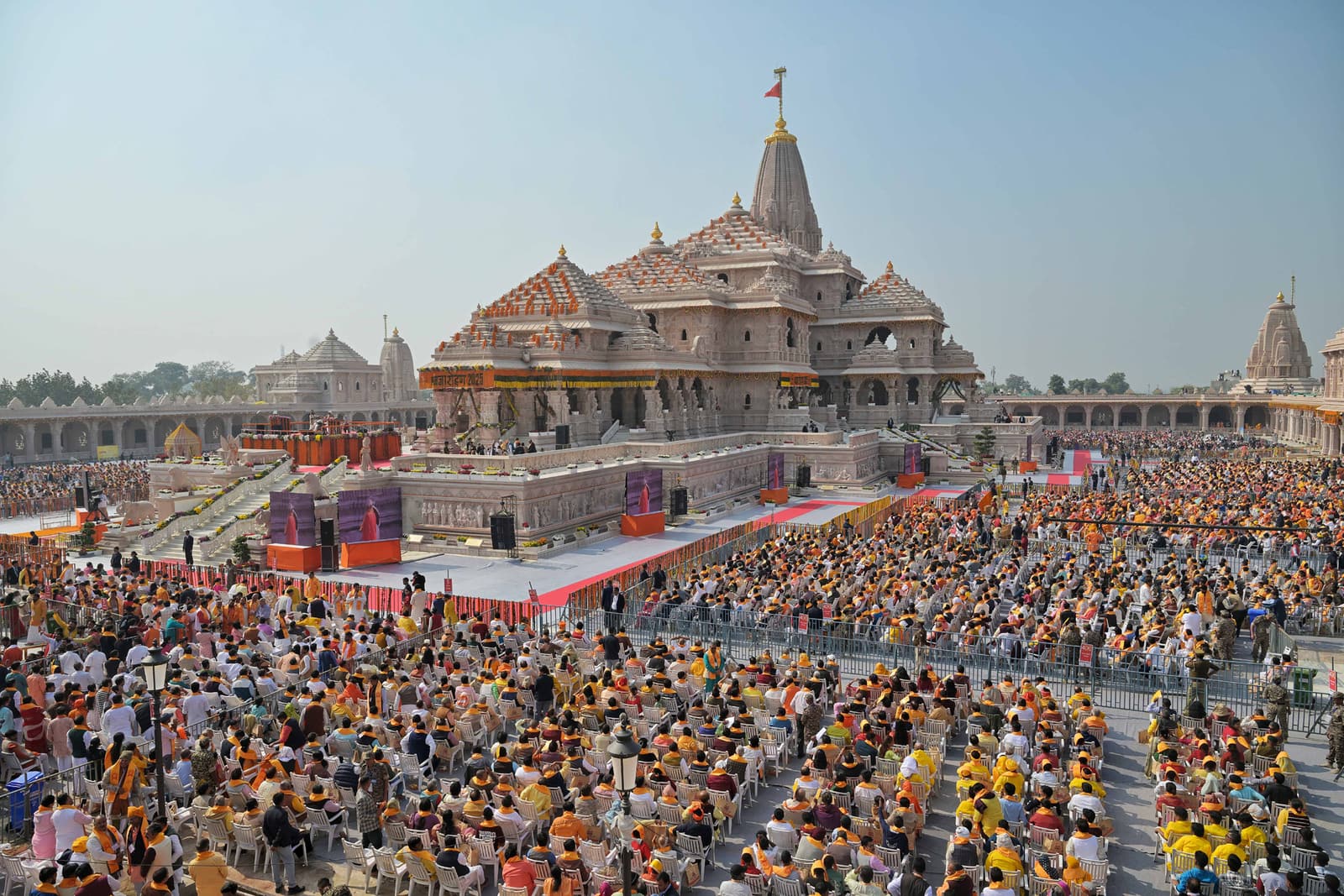
 Ram Mandir
The Shri Ram Janmabhoomi Temple
The great sandstone temple at the place revered as the birthplace of Lord Ram. Built in the Nagara style and consecrated on 22 January 2024, it houses the idol of Ram Lalla and is the reason most visitors come to Ayodhya.
 Ram Mandir & Ramkot
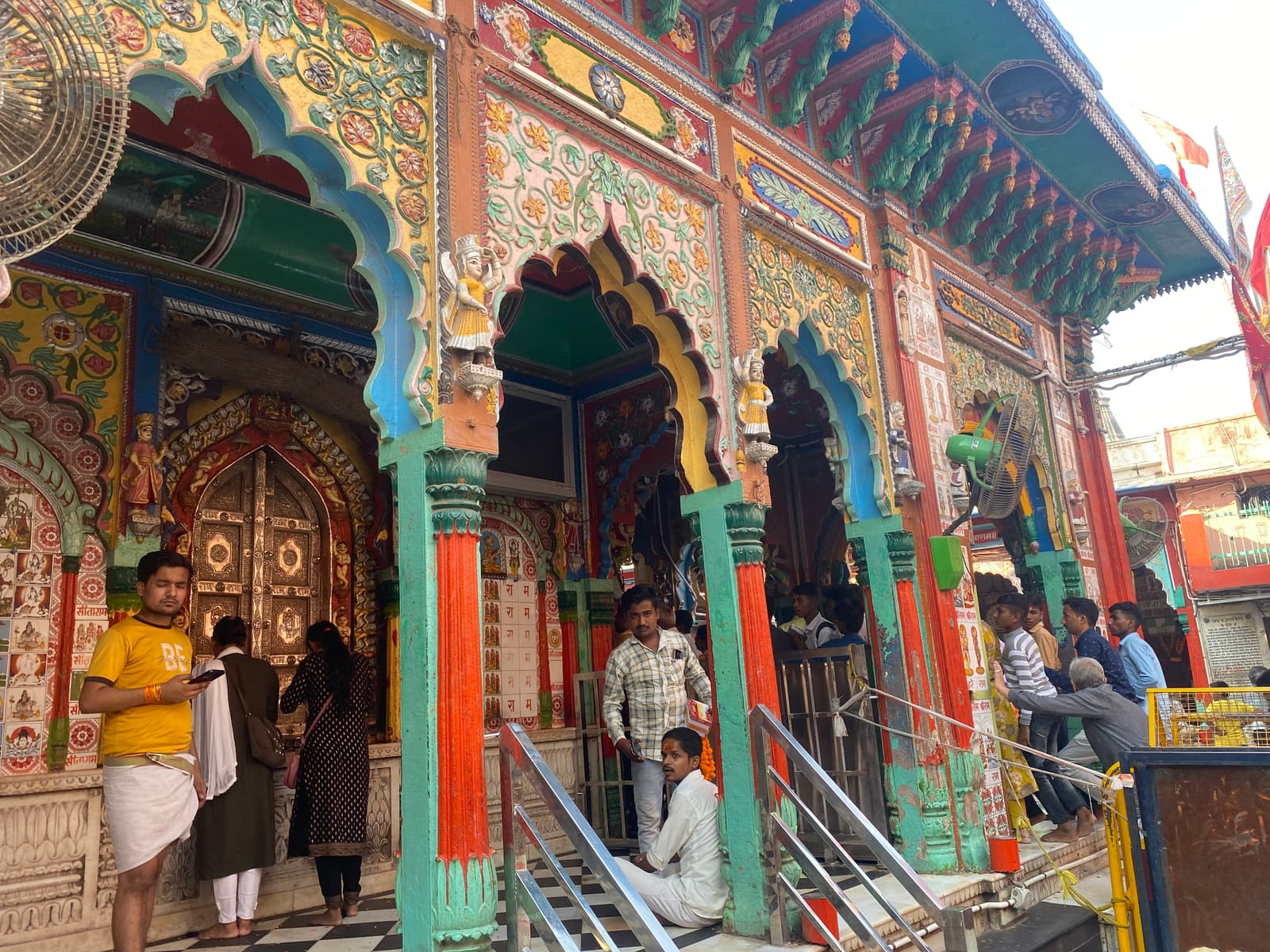
 Hanuman Garhi
The hilltop fortress of Hanuman
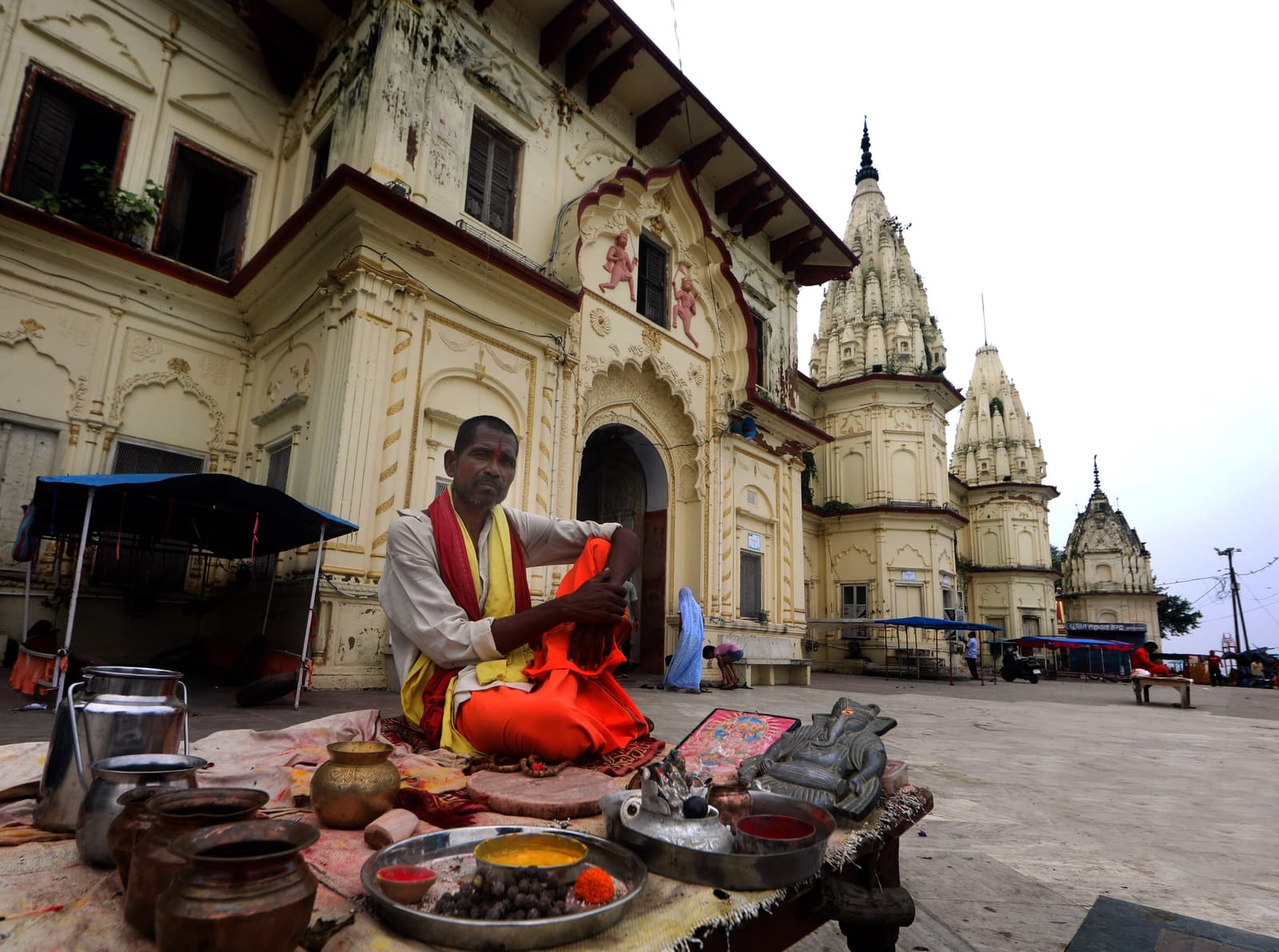
A fort-like temple on a mound in the middle of town, reached by a flight of 76 steps. Pilgrims traditionally come here first to ask Hanuman, guardian of Ayodhya, for permission to visit Lord Ram.
 Ram Mandir & Ramkot
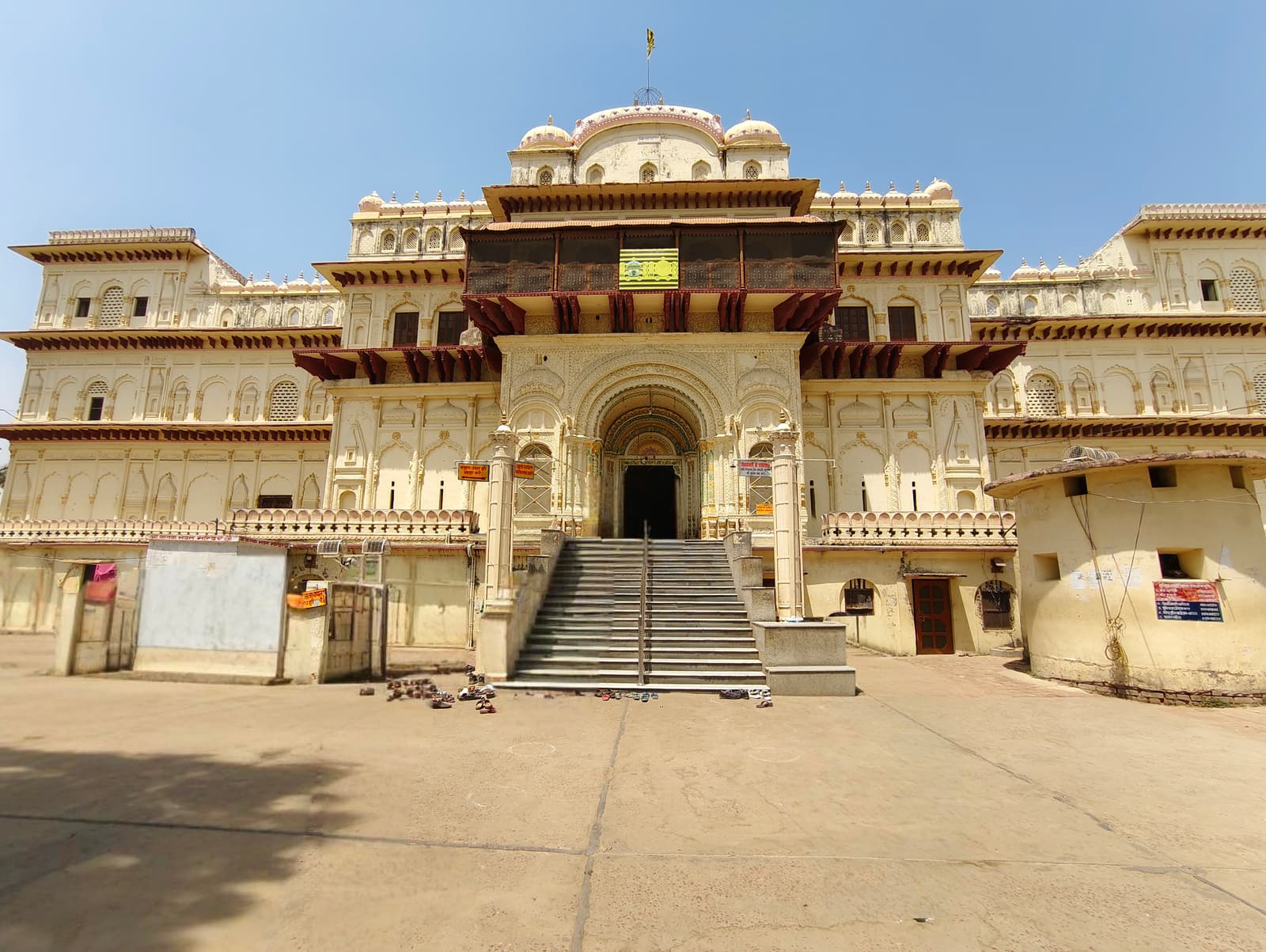
 Kanak Bhawan
The golden palace of Sita and Ram
An elegant palace-temple a short walk from the Ram Mandir, dedicated to Ram and Sita. Tradition says Queen Kaikeyi gave it to Sita after her wedding; the present building dates from 1891.
 Ram Mandir & Ramkot
 Dashrath Mahal
The palace of King Dashrath
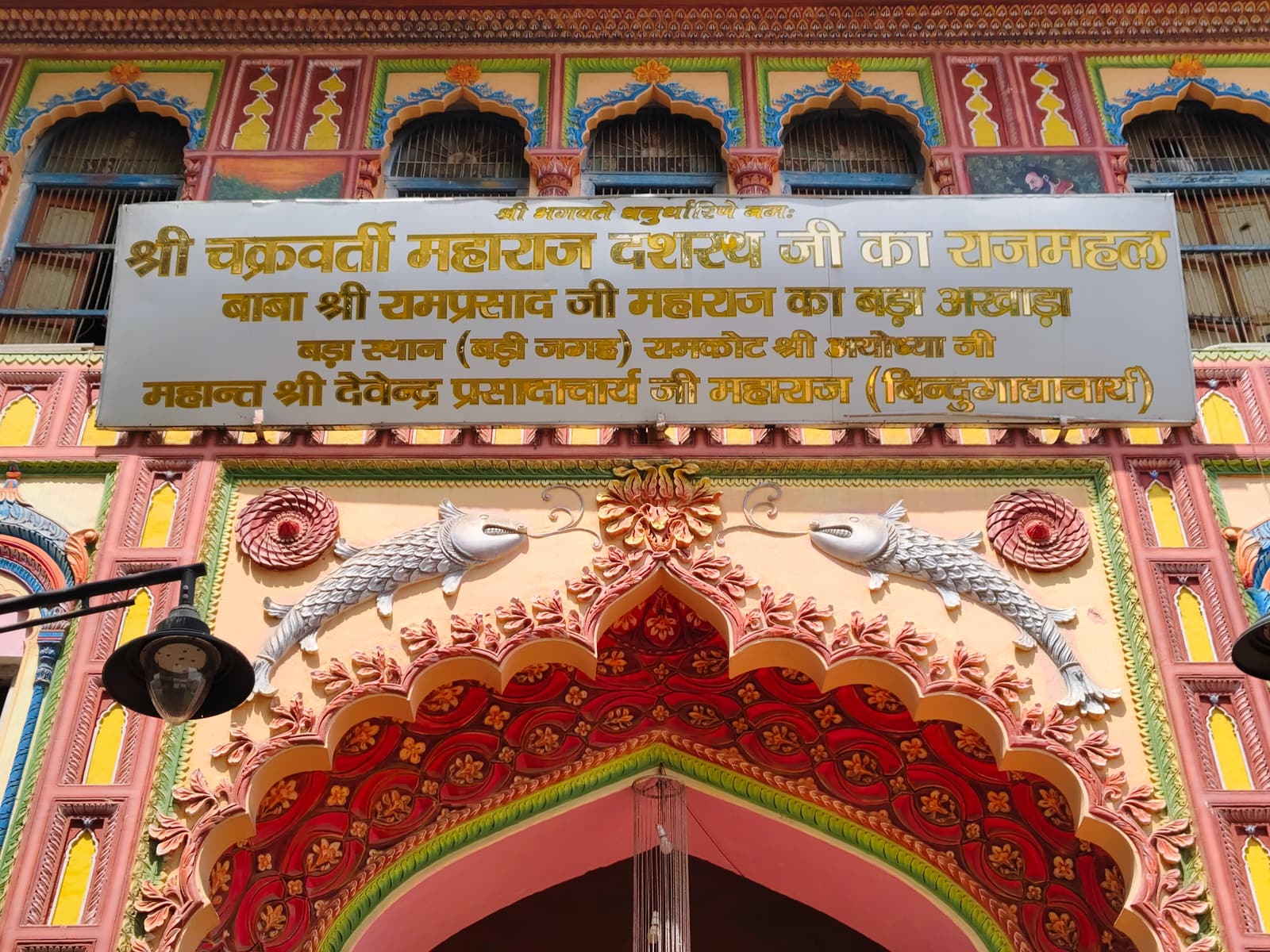
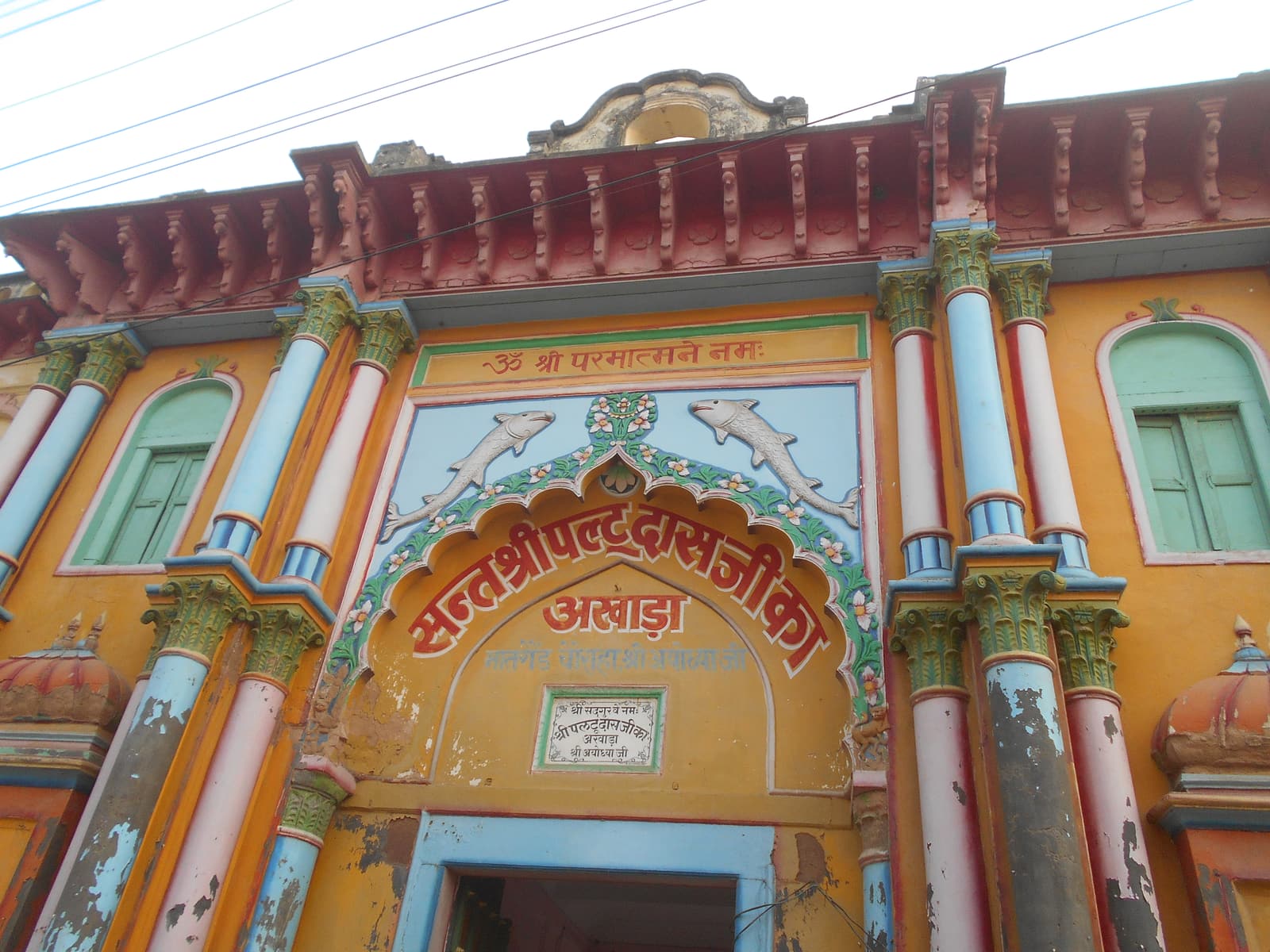
A colourful temple-palace in Ramkot on the site associated with the royal residence of Dashrath, father of Lord Ram. Its painted gateway opens onto a courtyard filled with the sound of bhajans.
 Ram Mandir & Ramkot
 Sita ki Rasoi
Sita’s kitchen
A small shrine near Ram Janmabhoomi remembered as the kitchen of Goddess Sita. It is a symbolic temple rather than a working kitchen, with idols of the four brothers and their wives and a display of traditional utensils.
Saryu riverfront
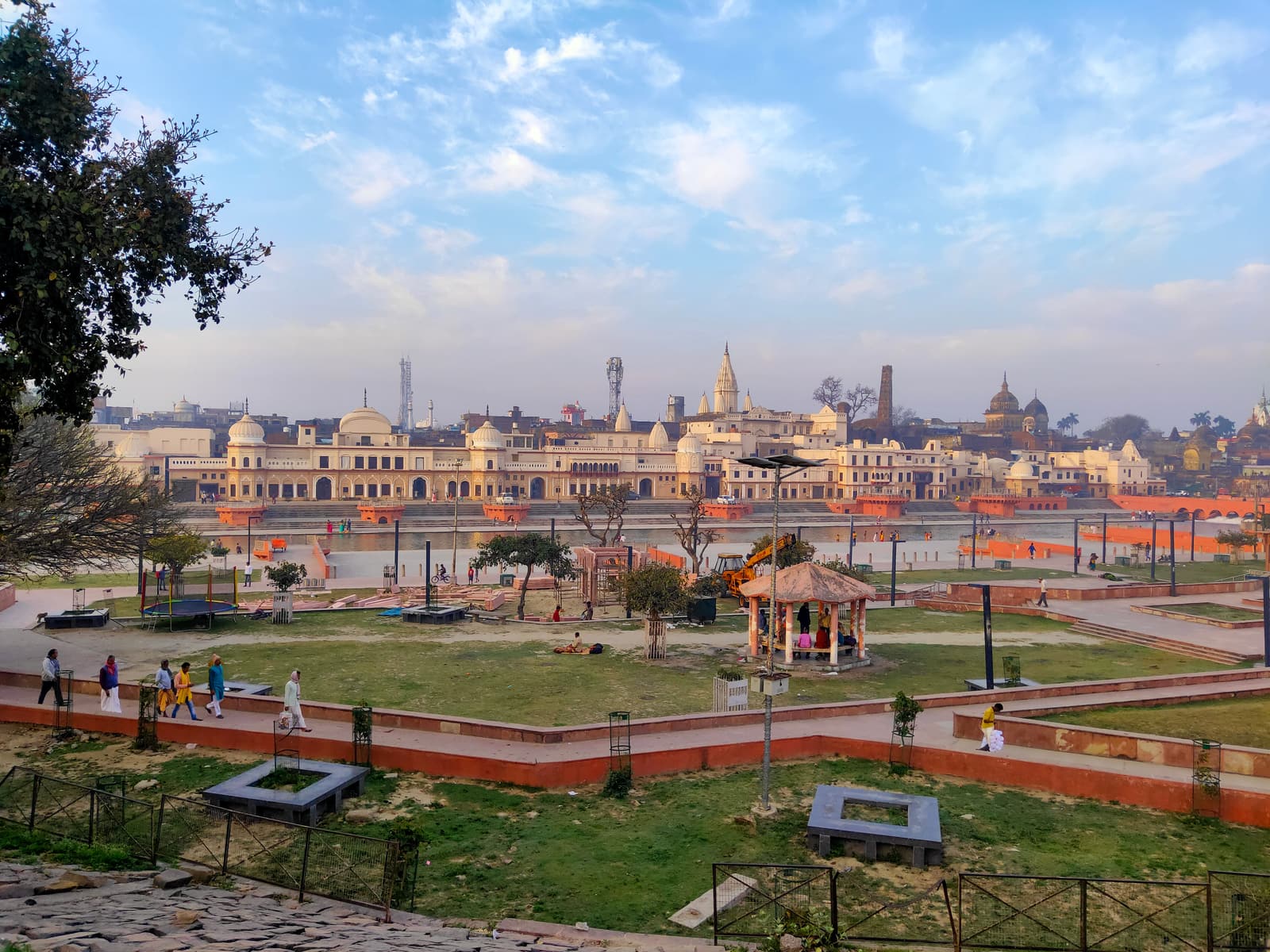
Saryu riverfront Ram ki Paidi
The ghats where Ayodhya gathers at dusk
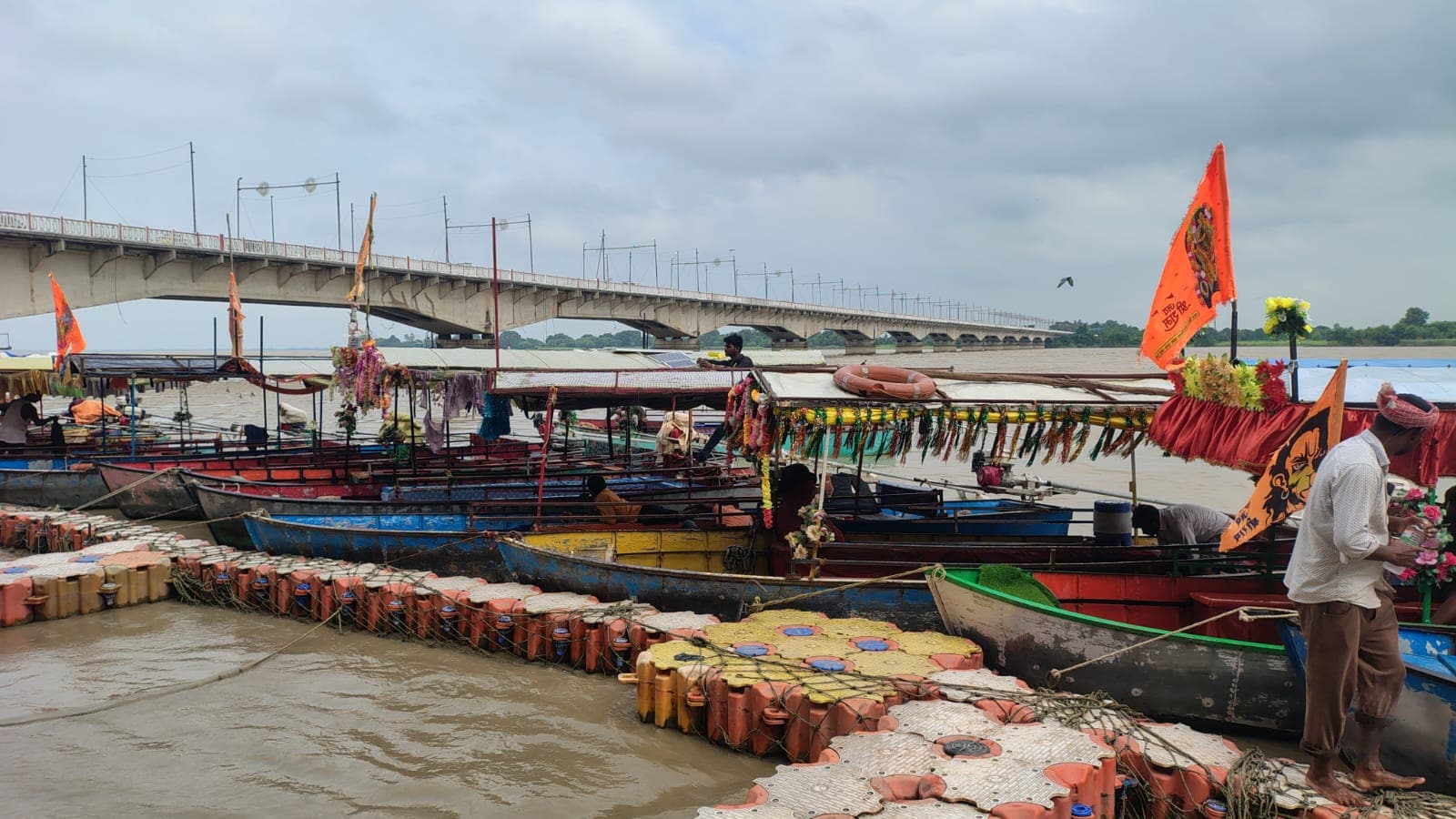
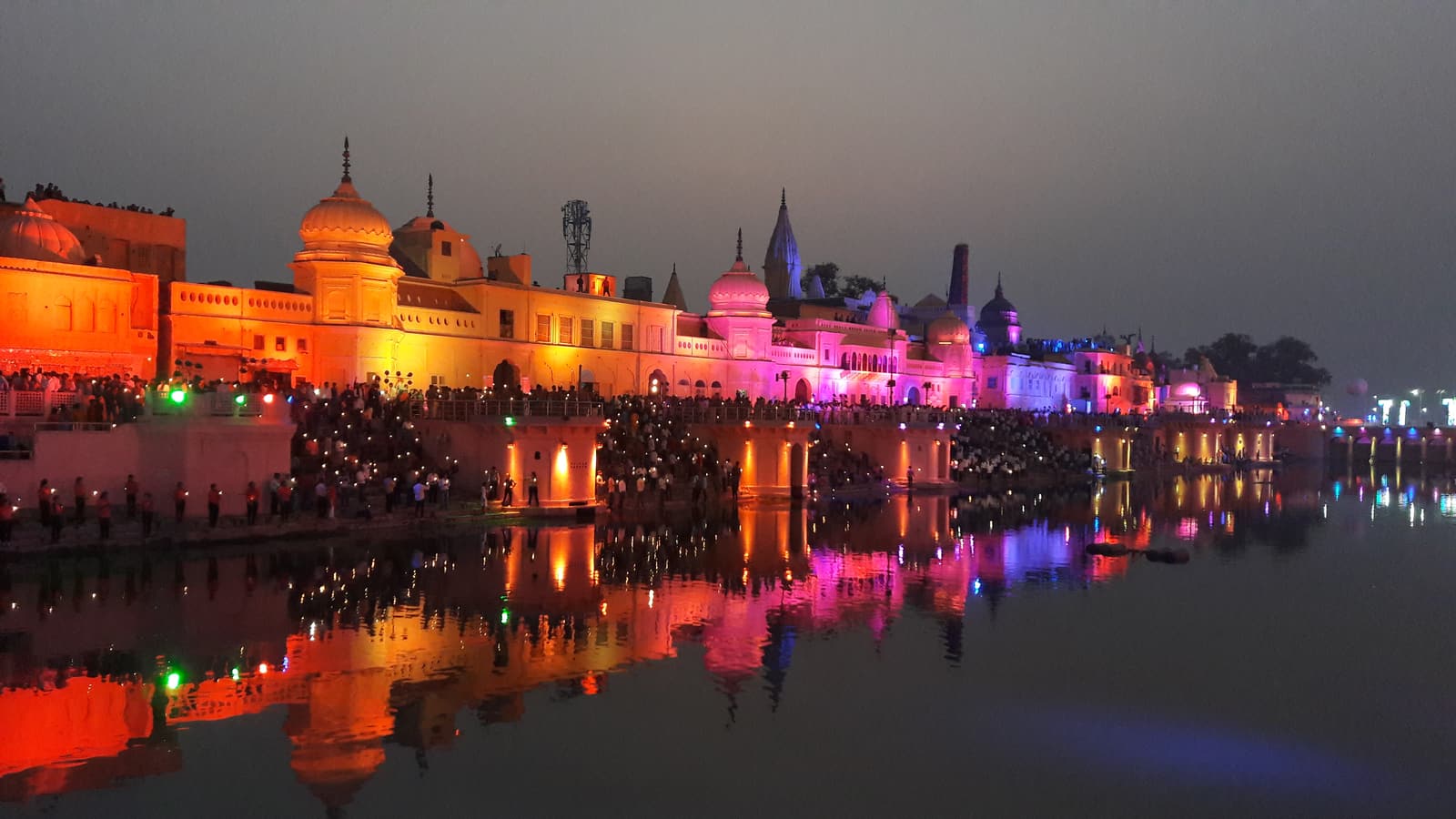
A long series of bathing ghats along a channel of the Saryu, lined with temples and lit up after dark. It is the stage for Deepotsav and, with neighbouring Naya Ghat, the place to watch the evening Saryu aarti.
 Saryu riverfront
 Nageshwarnath Temple
Ayodhya’s ancient Shiva shrine
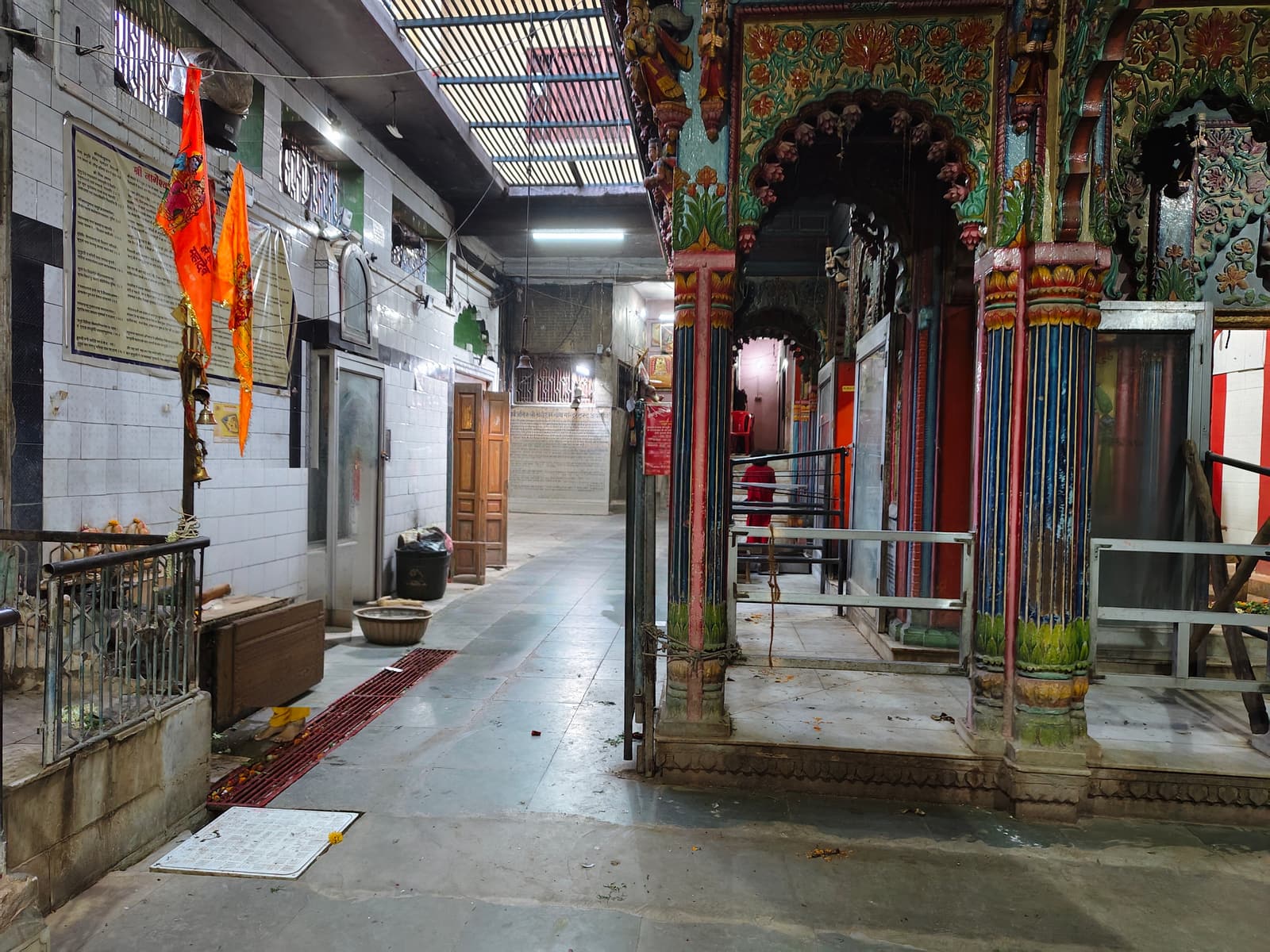
A Shiva temple beside Ram ki Paidi that tradition says was founded by Kush, the son of Lord Ram. The present structure is generally dated to the mid-18th century, and it is the focus of Mahashivratri in Ayodhya.
 Saryu riverfront
 Treta ke Thakur
Where Lord Ram is said to have performed the Ashwamedha
A temple near Naya Ghat on the spot where, by tradition, Lord Ram performed the Ashwamedha Yajna. It holds old black-stone idols and has customarily been opened to the public only on a few days a year.
 Saryu riverfront
 Ram Katha Park
Open-air theatre by the river
A landscaped park with an open-air amphitheatre near the Saryu, used for Ramlila, devotional music, cultural programmes and Deepotsav events. On ordinary evenings it is a pleasant green space to rest.
A short ride away
 A short ride away
 Guptar Ghat
The quiet ghat of Lord Ram’s final journey
A peaceful 19th-century ghat on the Saryu on the Faizabad side of the city, where tradition holds that Lord Ram entered the river to return to his divine abode. Old temples, wide steps and boat rides make it Ayodhya’s calmest riverside.
A sensible one-day plan: start early at Hanuman Garhi, which tradition says should be visited first, then walk to the Ram Mandir for darshan. Continue to Kanak Bhawan and Dashrath Mahal, rest through the hot middle of the day, and reach Ram ki Paidi and Naya Ghat before sunset for the Saryu aarti.
With a second day, add Guptar Ghat at sunrise and the quieter riverside shrines. Would you rather have it organised? Compare guided tours.
Plan your Ayodhya visit
See Ayodhya without the stress
Ram Mandir, Hanuman Garhi, Kanak Bhawan and the evening aarti on the Saryu in one well-planned day — with a car and a guide who knows the entry routes. Compare tours from Lucknow, Varanasi and Delhi.